What Permits Do You Need for a Metal Building in Tennessee?
The permit question is one of the first things homeowners ask when they call about a metal building or pole barn in Lawrence County or Giles County. And it's the right question — skipping permits on a structure this size isn't a paperwork shortcut, it's a real liability. We handle permits on every building we construct in Middle Tennessee, so here's the honest answer to what's required and why.
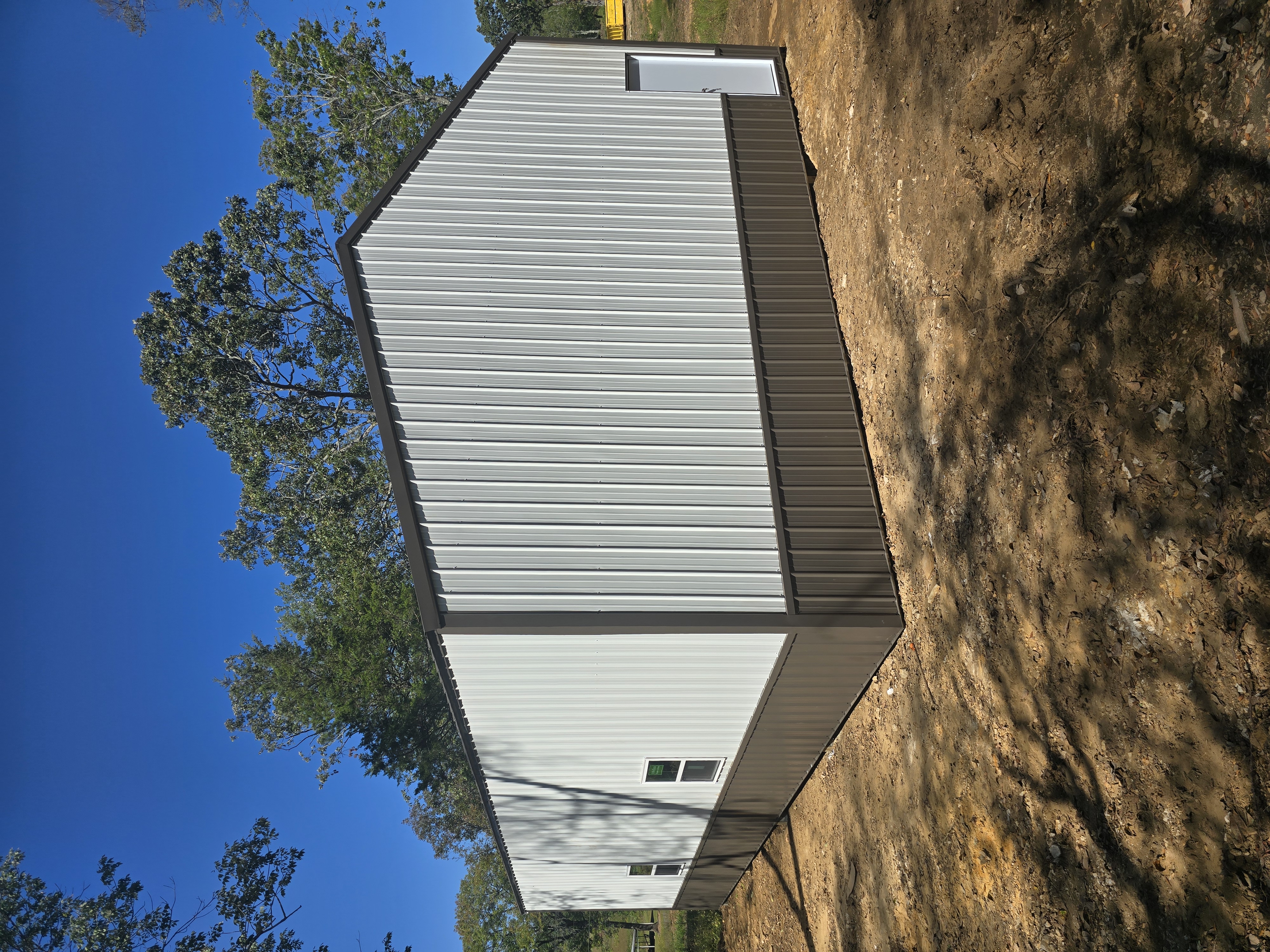
Every metal building and pole barn we build in Tennessee is fully permitted — including the foundation, structure, and any electrical work.
Quick answer: when is a permit required?
In most Tennessee counties, a building permit is required for any structure larger than 144 to 200 square feet (the exact threshold varies by jurisdiction). Any structure with electrical service — even just a few outlets and a light — requires an electrical permit regardless of size. Pure agricultural buildings on working farms may qualify for exemptions under Tennessee law, but those exemptions are narrower than most homeowners assume. We verify what applies to your property and handle the application.
What the permit process looks like in Lawrence and Giles County
Residential building permits in Lawrence County are handled through the Lawrence County Building Department. Giles County permits go through the Giles County Building Department. Both counties use a similar process: submit a completed application, site plan showing the building location and setbacks from property lines, and structure dimensions. For larger buildings, engineered drawings may be required.
Review time in our experience runs 2 to 4 weeks for a standard residential metal building application when the submission is complete. Incomplete applications that require back-and-forth can extend that by several weeks. We've been through this process many times with both counties — a clean, complete submission goes faster.
Permit fees in Lawrence County for a residential accessory structure in the 1,000 to 1,500 square foot range typically run $150 to $350. The permit inspection process involves a foundation inspection before the slab is poured, a framing inspection, and a final inspection before the building is considered complete. We schedule and manage all inspections as part of our project process.
The agricultural exemption — and how it actually works
Tennessee Code Annotated §68-126-102(6) exempts certain agricultural buildings from the state building code. The exemption applies when: the property is being used for agricultural purposes, the structure is used exclusively for agriculture (storing equipment, sheltering livestock, storing crops), and no employees work in the building.
The key word is "exclusively." A barn used entirely for hay storage qualifies. A barn where you also park your personal truck or do non-farm work does not. And even qualifying agricultural structures still need electrical permits if they have any electrical service installed. Most homeowners who want a "shop" or "garage" — even on rural property — don't meet the full agricultural exemption criteria, and trying to claim it incorrectly creates real legal and insurance problems down the road.
What happens without a permit: The county can issue a stop-work order and require demolition. Selling a property with an unpermitted structure becomes complicated — title companies and lenders often flag it. Homeowners insurance may deny claims for structures built without permits. We've seen all three scenarios. It's not a risk worth taking.
Setback requirements — how close to the property line can you build?
Setbacks vary by county and zoning designation. In unincorporated Lawrence County, a residential accessory structure (a garage, workshop, or barn that isn't the main dwelling) typically needs to be at least 10 feet from the rear property line and 5 to 10 feet from the side property line. Structures near road frontage have front setback requirements that can be more restrictive — 25 to 50 feet from the road right-of-way is common.
Properties with HOA covenants may have additional restrictions layered on top of county setbacks. We verify setbacks as part of the permit application. If your ideal building site is close to a property line, we'll tell you upfront whether it works and adjust the plan if needed.
Electrical permits for metal buildings
If your building will have any electrical service — lights, outlets, a panel — you need a separate electrical permit in addition to the building permit. This is true even for small, simple electrical installations in otherwise exempt agricultural buildings. Electrical work must be performed by a licensed electrical contractor in Tennessee and inspected by the county electrical inspector. We coordinate with licensed electricians on every project that includes electrical work.
Do you need engineered drawings?
For buildings over a certain size — typically 400 to 600 square feet, though this varies by county — the building department may require sealed engineering drawings as part of the permit package. Pre-engineered steel building systems often come with stamped engineering from the manufacturer, which satisfies this requirement. Post-frame (pole barn) systems sometimes need local engineering review of the foundation design. We determine what's needed for your specific building design and handle obtaining the required documents.
Frequently asked questions
Do I need a permit to build a pole barn in Tennessee?
It depends on size, location, and use. Structures under roughly 144 to 200 square feet may be exempt depending on your county. Agricultural structures on true working farms may qualify for exemptions under Tennessee law. Any structure over those thresholds, or any structure with electrical service, requires a permit. We confirm what applies to your property before we start.
What happens if I build without a permit in Tennessee?
The county can issue a stop-work order and require demolition of the non-compliant structure. You may face fines. Unpermitted structures complicate property sales and insurance claims. We don't build without permits — the risk to the homeowner is real and the permit cost is modest by comparison.
How long does it take to get a building permit in Lawrence County?
Typically 2 to 4 weeks after a complete application is submitted. We submit the full application — site plan, dimensions, elevations — from the start to avoid back-and-forth that extends the timeline. Permit review in Giles County follows a similar timeline.
Do agricultural buildings need permits in Tennessee?
Tennessee law exempts certain agricultural buildings from the state building code, but the exemption is narrow — the structure must be exclusively for agricultural use. Any electrical work still needs an electrical permit. Most residential outbuildings, even on rural property, don't meet the full exemption criteria. We verify this for your specific situation before building.
Do I need engineered drawings for my metal building?
For larger structures, likely yes. The size threshold varies by county, but generally buildings over 400 to 600 square feet need stamped engineering drawings. Pre-engineered building systems often include this from the manufacturer. We handle obtaining and submitting whatever documentation your county requires.
Ready to start a metal building project? Call us at (931) 369-2134 or request a free estimate. We manage the full permit process on every project in Lawrenceburg, Pulaski, and surrounding Middle Tennessee. See our buildings and barns service page and our pole barn cost guide for more details.